
Breakers & Panels
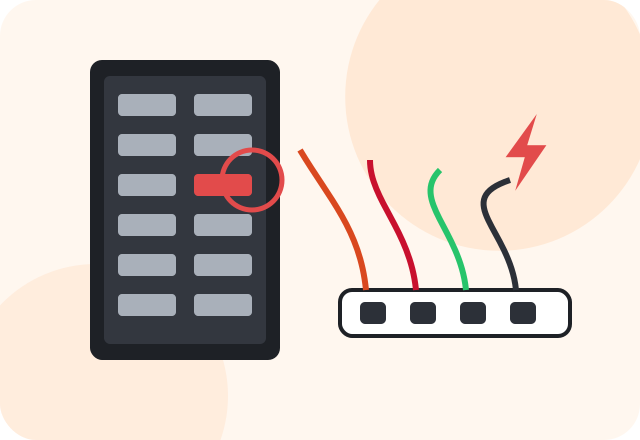
Why Does My Circuit Breaker Keep Tripping?
A breaker that trips again and again is telling you something. Here is how to tell an overload from a short or a worn breaker.
Homeowner articles
Eighteen plain-language articles that answer the questions homeowners ask most, with safety guidance and links to related services and problems.
Your call connects you with an independent local electrician who serves your area.
How to use these articles
Every article answers its title question first, then explains the causes, the safety points and the point where an electrician should take over. If something is wrong at home right now, the electrical problems guides are the faster place to start; for planning a project, the service pages cover what the work involves around Birmingham.
The articles are written for Birmingham-area houses, where older wiring near downtown, busy storm seasons and long, hot summers all shape the questions homeowners ask. None of them ask you to open a panel or work on live wiring.
Why breakers trip, when a panel has reached the end of its life, what an upgrade involves, and how old fuse boxes compare.
Hot outlets, burning smells, and the GFCI and AFCI protection that newer codes require in more rooms.
Flickering and dimming lights, partial outages, and how whole-home surge protection helps during central Alabama storm season.
Ceiling fans, standby generators, EV chargers, rewiring older homes, and how often a home should be inspected.
A breaker that trips again and again is telling you something. Here is how to tell an overload from a short or a worn breaker.
One flickering bulb is rarely a worry. Flicker across rooms, or flicker with a buzz or a warm switch, is another matter.
A hot plastic or fishy smell with no obvious source is one of the clearest warnings a house can give. Here is what it means and what to do.
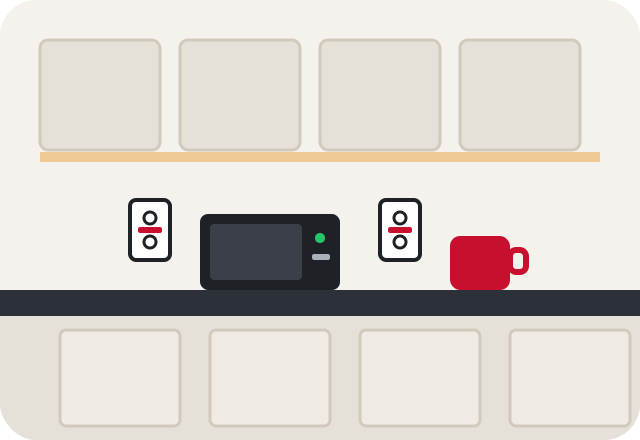
A little warmth under a heavy load can be normal. A cover plate you do not want to keep your hand on is not.
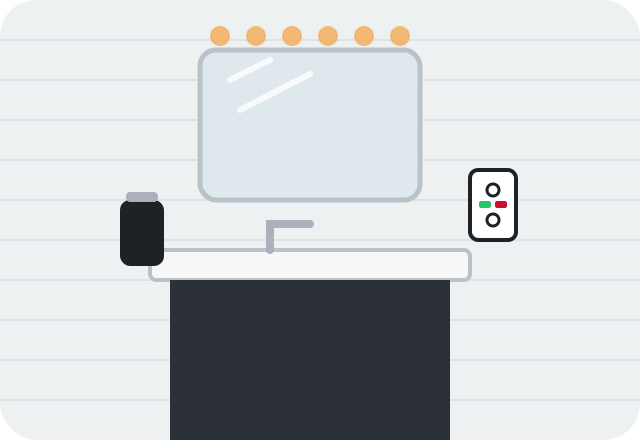
A GFCI that trips is usually protecting someone. When it trips constantly, the cause is often moisture, a worn device or an appliance.

When some rooms have power and others do not, the answer ranges from a tripped breaker to a problem on the utility's lines.
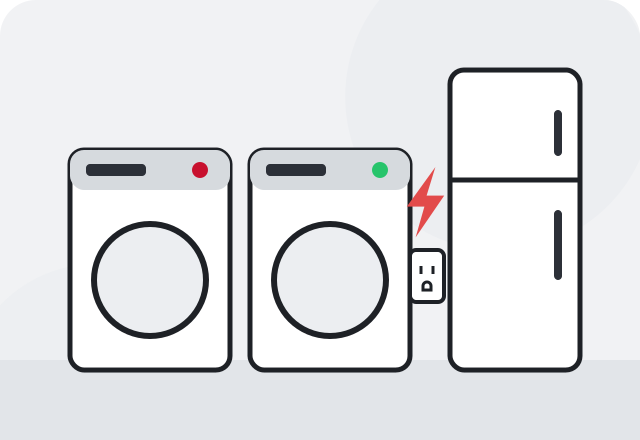
A quick flicker when the air conditioner kicks on can be normal. Lights that stay dim, or dim all over the house, are a different story.
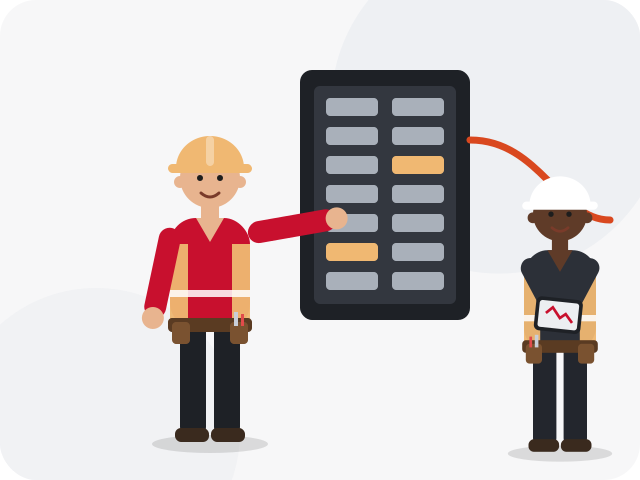
Panels do not come with an expiration date, but certain signs mean it is time. Here is how to recognize them.
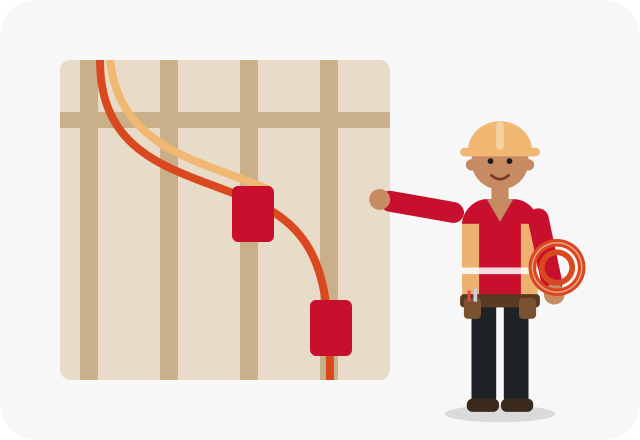
Old wiring rarely fails all at once. These signs can tell you when it is time for a closer look.
The outlet with the test and reset buttons does an important job. Here is what it does and where your home needs one.
AFCI breakers look for the electrical signature of a spark inside your walls. Here is what that means for your home.
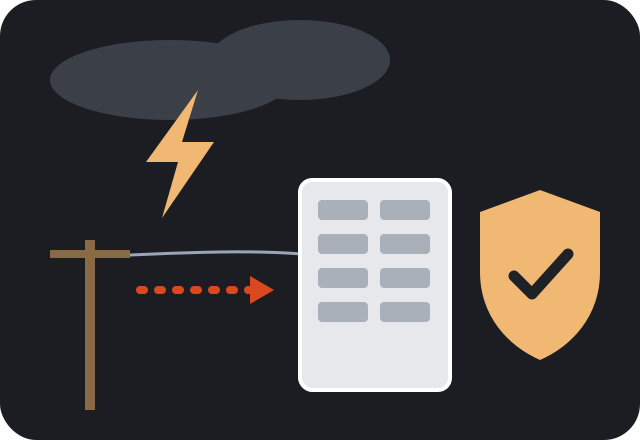
Lightning is common in central Alabama. Here is how a surge protector at the panel works with the ones at your outlets.

What a safe ceiling fan installation needs, from a fan-rated box to the right controls, and an honest look at which jobs suit a homeowner.
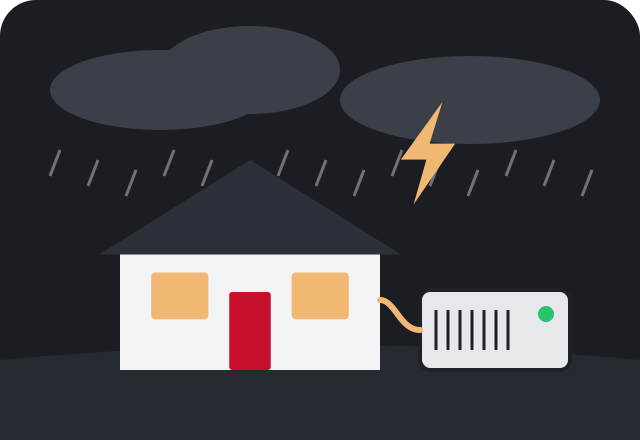
How home backup power is set up safely, why a transfer switch matters, and what planning, permits and placement a generator project involves.
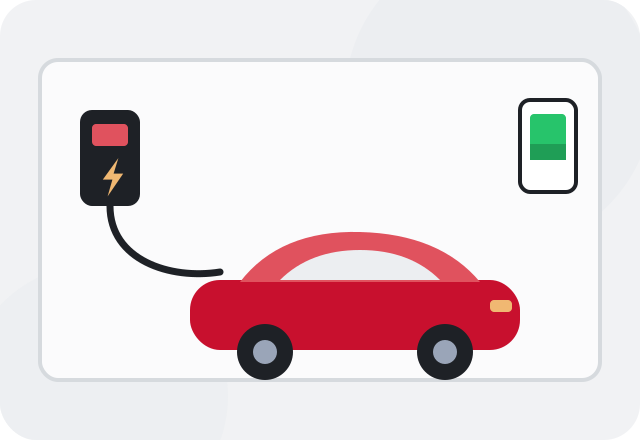
Level 1 or Level 2, what a load calculation tells you, and what a safe home EV charger installation involves from panel to garage wall.
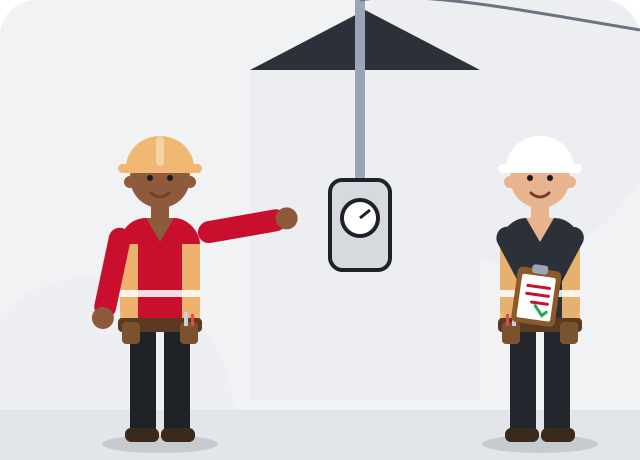
The signs a home has outgrown its panel, what happens on upgrade day, how the utility and inspector fit in, and what drives cost.

There is no single schedule for every house. Here is how age, events and changes to the home decide when an electrical inspection makes sense.
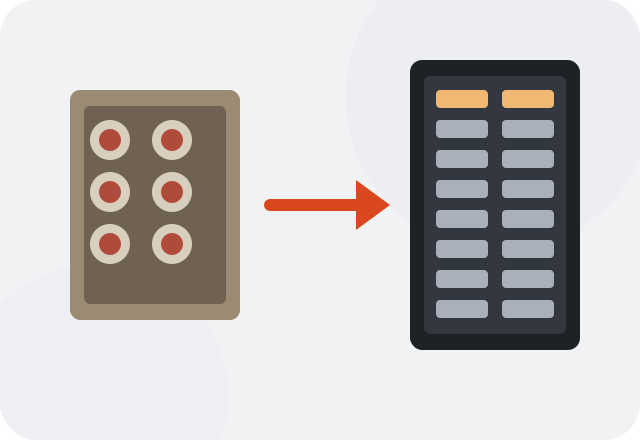
Both protect your wiring from overloads. Here is how fuses and breakers differ, the risks with old fuse boxes, and what replacing one involves.
They are general educational articles for homeowners about common electrical questions. They help you understand a problem or project, but they are not a substitute for an on-site assessment by a qualified electrician.
No. Prices vary with the house, the equipment and the scope, so the articles explain what drives the cost instead. A written quote after an electrician has looked at your home is the reliable number.
The articles are meant to help you understand the job and ask good questions. Most wiring work involves permits, inspections and real shock and fire risk, so hiring a licensed electrician is the safer path for anything beyond resetting a breaker or changing a bulb.
Go to the electrical problems section first. Each problem guide gives a direct answer, safe checks and clear signs that it is time to call.
They are reviewed when safety guidance, common equipment or code practices change. The publish date appears at the top of each article.
The electrical principles are the same everywhere, but the articles point out local factors where they matter, such as older housing stock, central Alabama storms and long, hot summers.
Ready when you are
Call to connect with a local electrician who can look at your situation.
Your call connects you with an independent local electrician who serves your area.