
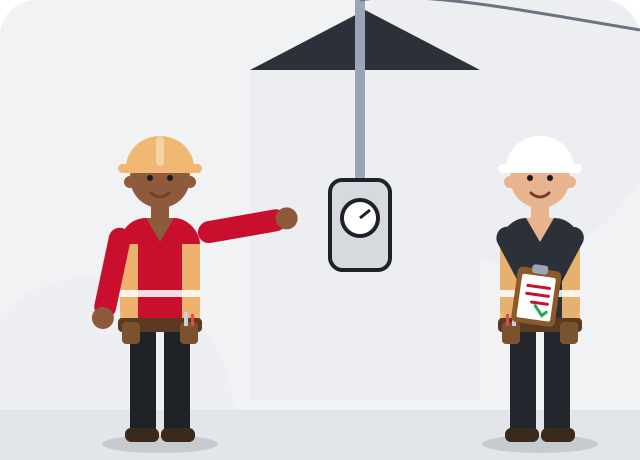
When that equipment is damaged, loose or worn out, you need an electrical meter electrician in Birmingham who handles service entrance work. A call connects you with a local electrician, who repairs the homeowner's side and coordinates with the utility on disconnecting and reconnecting power.
Who owns what at the meter
Exact boundaries vary by utility, so confirm with yours, but the usual split looks like this. The utility owns the overhead service drop from the pole (or the underground lateral in many newer subdivisions) and the meter. The homeowner owns the meter base, the mast and weatherhead, the service entrance conductors, and everything from the panel inward.
That's why a storm that rips the drop off a house often involves two parties: the electrician repairs the mast, base and entrance wiring, the work may need a local inspection, and then the utility re-attaches the drop and sets or reseals the meter. Only the utility should pull or reset a meter; its seal is there for a reason.
When meter base work comes up
- A limb or storm bent the mast or tore the service drop loose
- The meter base is rusted, cracked or pulling away from the wall
- A panel upgrade calls for a larger meter base and service entrance
- The utility flagged a problem with your meter socket
- Power flickers or drops out and the utility found nothing wrong on its side
Warning signs around the meter
- Scorching, melted plastic or a burning smell at the meter
- Buzzing or crackling from the meter base
- A mast leaning away from the roof or siding
- Water staining or rust running down from the meter base
- Frayed or bare service entrance cable on the outside wall
What meter and service entrance repair involves
Most work on the base requires the utility to disconnect power first, since the line-side lugs in a meter socket stay energized even with your main breaker off. The electrician schedules that disconnect, repairs or replaces the base, mast, weatherhead or entrance conductors as needed, makes sure bonding and grounding are correct, and arranges any required inspection. Once it passes, the utility reconnects and seals the meter. On older homes this is often done together with a panel upgrade so the service size matches.
- Meter socket jaws and lugs for heat damage or loose connections
- Mast strength, strapping and roof clearance for the overhead drop
- Weatherhead and drip loops for proper water shedding
- Service entrance conductor size compared with the panel rating
- Grounding electrode conductor and bonding at the service
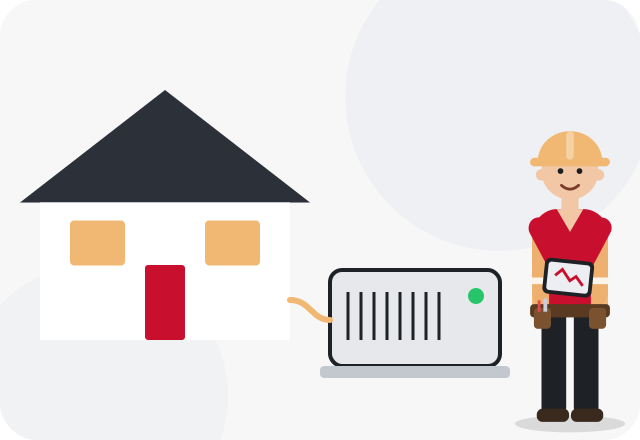
Safety first. Stay away from the meter base if it's buzzing, smoking or visibly damaged, and never try to pull the meter. Keep ladders and tools clear of the service drop and mast. If the drop is down or sagging low, call the utility and keep people and pets away. You can switch off your main breaker if the panel is dry and easy to reach, but remember that the meter base and line side remain live.
How it usually works
Call about the meter area
Describe the damage or symptom. The call connects you with a local electrician who does service entrance work.
Assessment
The electrician sorts out what's on the homeowner's side and what belongs to the utility.
Utility coordination and repair
The electrician arranges the disconnect, completes the repair and handles any inspection.
Reconnect
The utility restores service and seals the meter once the work is approved.
For Birmingham-area homes
Overhead service drops are common across Birmingham's older, tree-lined neighborhoods, and on hillside lots the drop often crosses a long span through mature trees. Spring and fall storms bring down limbs that snag those lines and pull masts off roofs. Years of hot, humid summers also take a toll on older meter bases, which can rust or let water in. Newer subdivisions around Alabaster or Chelsea more often have underground service, but the meter base still has to be sound.
Related electrical problems
Noticing one of these? Each guide explains likely causes and what's safe to check before you call about electrical meter services.