
What homeowners usually notice
- Several devices stopped working at once, often the ones that were plugged in and turned on
- A breaker or GFCI outlet tripped during the storm and the lights came back only in part of the house
- A burnt or hot plastic smell near an outlet, appliance or the panel
- Lights that flicker, dim or glow brighter than normal after the power returns
What to do right now
- Stay well away from any downed or sagging line in the yard or street, and assume it is energized; report it to the utility
- If water reached outlets, cords, a basement panel or appliances, leave that equipment off and do not re-energize it
- Unplug sensitive electronics until power is steady, then plug them back in one at a time
- If you smell smoke or see sparks or flame, get everyone out and call 911
Likely causes
Nearby lightning strike
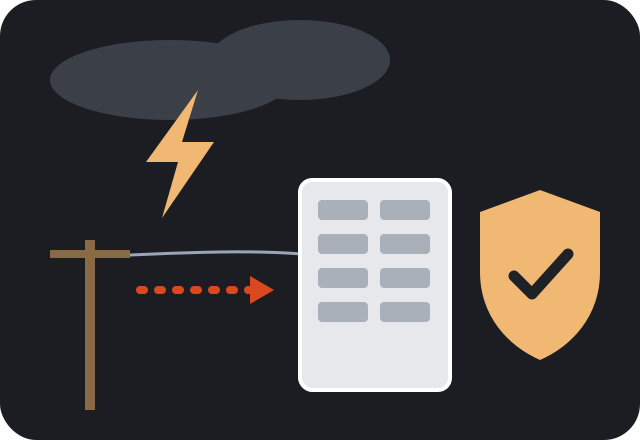
A strike on a tree, pole or the ground near the house can push a spike through the service wires, phone line or cable line. It does not need to hit the home directly.
Grid switching when power returns
When the utility restores service, the voltage can jump briefly. Appliances with motors and electronics that were left on take the hit.
Limbs on the service drop
Birmingham's hills and mature trees mean storm limbs often land on the wires running to the house. That can stretch connections, loosen the weatherhead or damage the meter base.
Water intrusion
Wind-driven rain can get into outdoor outlets, exterior fixtures and a flooded basement or crawl space. Wet equipment can trip protection or become a shock hazard.
Safe checks you can make
- Look at the panel door from the outside of the box: is any breaker in the off or middle position?
- Press the test and reset buttons on GFCI outlets in bathrooms, the kitchen, garage and outdoors
- Write down which rooms and appliances lost power, and take photos for your records
Leave outlet covers, switch plates and the panel cover in place. Noting what you see and hear is enough; testing inside boxes belongs to an electrician.
Is this something you can fix yourself?
Some storm leftovers are safe for a homeowner to handle. Resetting one tripped breaker once, resetting a GFCI outlet, or replacing a power strip that took the surge are fair game. Things change when the breaker will not hold, when lights behave strangely across the whole house, when the meter or mast is damaged, or when anything electrical got wet. Those are jobs for your utility (on their side of the meter) or a licensed electrician (on yours), not for trial and error.
When professional help is the right call
- A breaker trips again as soon as it is reset
- Scorched, melted or discolored outlets, switches or cover plates
- Lights that get brighter when a large appliance starts, which can point to a neutral problem
- The mast, weatherhead or meter base is bent, pulled loose or hanging
- Water got into the panel area, outlets or wiring
Safety first. Call right away if the meter or service wires are damaged, if equipment was flooded, or if a breaker will not stay on. Do not touch or move a downed line, and keep kids and pets away from it; contact the utility. Smoke, flame, sparking or heat that keeps building means leave the house and call 911.
What an electrician typically checks
An electrician will usually start at the service entrance: the mast, weatherhead, meter base and main panel. They check that the neutral and grounding connections are tight, test voltage at the panel and at key circuits, and look for breakers or wiring damaged by heat or water.
Repairs might include replacing damaged breakers, outlets or GFCIs, repairing storm-damaged mast or meter base parts on the homeowner side, and replacing wiring that got wet. Many homeowners also ask about whole-home surge protection at the same visit, and an emergency electrical visit may be needed if the home is unsafe to energize.
Keeping it from coming back
Central Alabama's storm season runs strong in spring and again in fall, so it pays to prepare. Trim limbs that hang over the service drop (the utility handles lines themselves), add surge protection at the panel plus point-of-use strips for electronics, and unplug expensive devices when a big storm is forecast. Keep outdoor outlets under weather-resistant in-use covers. The guide on whole-home surge protection explains how the layers work together.