
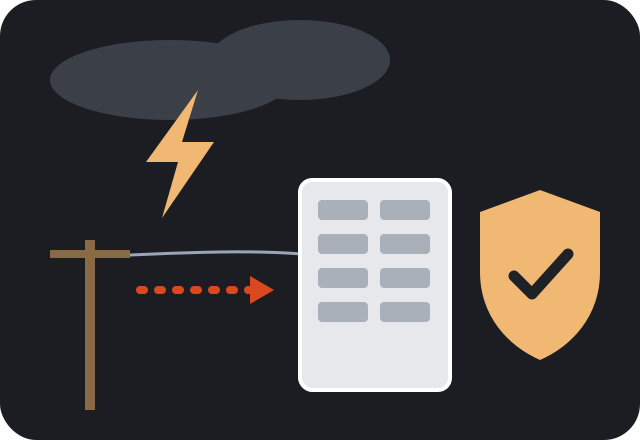
Whole house surge protection in Birmingham makes sense given how much lightning central Alabama sees, but many surges actually start inside the house when motors and compressors cycle. A call connects you with a local electrician who can install a panel-mounted device and check the grounding it depends on.
How layered surge protection works
Surge protective devices, or SPDs, clamp excess voltage and divert it to ground. A Type 1 device can install on the line side of the service, a Type 2 device (the usual choice for homes) installs on the load side at the panel, often on a dedicated two-pole breaker, and Type 3 devices are the plug-in strips and outlet units at individual equipment. Current code requires surge protection when a home's service is replaced or upgraded.
The panel device handles large incoming surges and those from big appliances, while point-of-use units catch smaller leftover spikes and can protect cable, antenna and network lines that enter the house separately. Neither layer can stop a direct lightning strike to the house, and no device works well if the home's grounding is poor.
Good times to add a whole-home surge protector
- During a panel replacement or service upgrade, when code may require one
- After losing electronics, an HVAC board or an appliance to a storm
- When adding expensive equipment such as a heat pump or EV charger
- If lights blink or electronics reset during storms
- When a standby generator or solar system is added to the house
Signs your home could use better protection
- Electronics or chargers that fail more often than they should
- Appliance control boards replaced more than once
- Plug-in surge strips that are years old or have a dark status light
- Brief flickers whenever the air conditioner or a large motor starts
- No surge device in or beside the panel
What installation involves
The electrician checks the panel for a suitable breaker space and confirms that grounding and bonding are sound, since an SPD can only divert energy through a good ground path. The device mounts as close to the panel as practical with short, straight leads, because longer leads reduce how well it clamps. Most units have indicator lights, and they wear down as they absorb surges, so the electrician can show you how to read the status and when replacement is due. More background is in this guide to whole-home surge protection.
- Panel space and breaker size for the surge device
- Grounding electrode and bonding condition
- Lead length and routing from the device to the panel
- Where cable, phone and antenna lines enter the house
- Status indicators working after installation
Safety first. A panel surge protector isn't a do-it-yourself project; installing one means working inside the panel. At home, retire plug-in strips whose protection light is out or that took a hit in a storm, don't plug strips into each other, and unplug sensitive electronics before a severe storm arrives if you can do so safely. During lightning, stay off corded phones and away from plumbing.
How it usually works
Call about surge protection
Mention your panel's age and any past storm damage. The call connects you with a local electrician.
Panel and grounding check
The electrician confirms there's room in the panel and that grounding will let the device work.
Installation
The device is mounted with short leads and connected to its breaker.
Verification
Status indicators are checked and you learn what to watch for over time.
For Birmingham-area homes
Central Alabama sits in Dixie Alley, and Birmingham's spring and fall storms bring frequent lightning, plus power blips when limbs hit lines on wooded hillsides. Long, hot summers keep air conditioners and heat pumps cycling for months, and each start adds a small internal surge. Homes in growing areas like Chelsea or Pelham are full of electronic controls in appliances and HVAC equipment, while older homes may need grounding improvements before a surge device can do its job.
Related electrical problems
Noticing one of these? Each guide explains likely causes and what's safe to check before you call about surge protection.