
What homeowners usually notice
- A TV, computer, router or game console will not turn on, or powers on but acts glitchy
- An appliance control board is dark or shows an error, while the appliance still gets power
- A garage door opener, thermostat or doorbell transformer stopped working after a flicker
- A surge strip's protection light is out or the strip smells hot
What to do right now
- Unplug the affected devices so a second spike or a damaged part cannot cause more harm
- Check the panel for a tripped breaker and reset any tripped GFCI outlets once
- Test a lamp or phone charger in the same outlet to see whether the outlet itself works
Likely causes
External surge
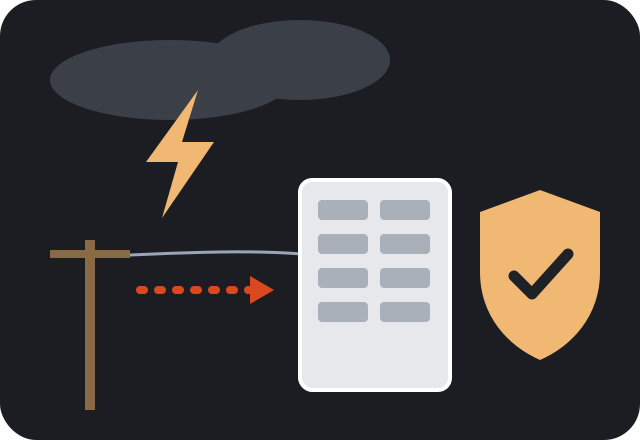
Lightning or utility switching can push a spike in from outside. Items connected to both power and a cable, antenna or phone line are especially exposed.
Internal surges
Large motors in the home, such as the air conditioner compressor, well pump or a heat pump, create smaller repeated spikes when they start. Over time that wears on electronics.
No surge protection or worn-out protection
Surge strips absorb energy until they are used up. Many look normal after they stop protecting anything.
Grounding problems
Surge protection needs a good grounding path. Older Birmingham homes with two-prong outlets or loose grounding connections give surges fewer safe places to go.
Safe checks you can make
- Note whether the damaged items share one circuit or are spread across the house
- Check whether items on a surge strip survived while items plugged straight into the wall did not
- Look at outlets and cover plates for browning, melting or a burnt smell, without taking anything apart
Leave outlet covers, switch plates and the panel cover in place. Noting what you see and hear is enough; testing inside boxes belongs to an electrician.
Is this something you can fix yourself?
Plenty of surge damage stops at the device. If the outlet works with a lamp and only one gadget died, the fix is that gadget: a manufacturer repair, a replacement, or an appliance technician for a washer or refrigerator control board. Replacing a spent surge strip is also a homeowner job. An electrician makes sense when outlets are dead or scorched, when damage hit many rooms at once, when lights brighten and dim oddly, or when surges keep happening and you want protection at the panel. For insurance, homeowners generally document the damage with photos, receipts and a written diagnosis; check your own policy for what it requires.
When professional help is the right call
- Several unrelated devices failed across different rooms at the same time
- Outlets or switches are warm, discolored or smell like burnt plastic
- Replacement electronics fail again soon after being plugged in
- Lights flicker or change brightness when large appliances cycle
- The home has no grounding at many outlets
Safety first. Stop using an outlet that is scorched, hot or crackling, and turn off its breaker if you can do so from the outside of the panel. If there is smoke or visible flame, get out and call 911. Swings in brightness across the whole house deserve a prompt call because a failing neutral can damage more equipment quickly.
What an electrician typically checks
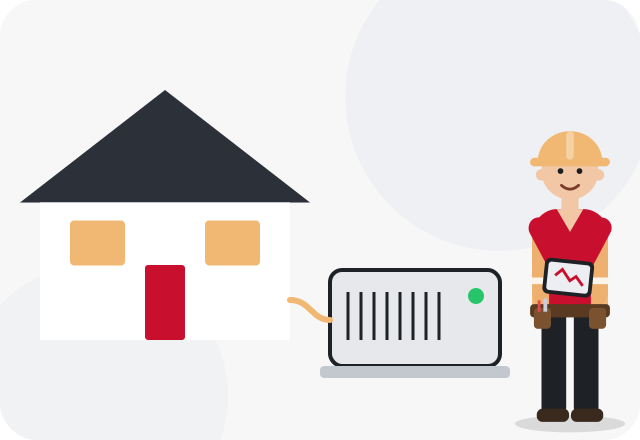
An electrician can test voltage at the panel and at problem outlets, check the service neutral and grounding connections, and look for heat damage at the damaged circuits. They can also give you a written description of what they found, which many homeowners keep with their insurance paperwork.
For protection going forward, they can install a surge protective device at the panel and recommend point-of-use strips for sensitive electronics. Whole-home and point-of-use protection work as layers: the panel device takes the big hit and the strip handles what gets through. See surge protection and grounding and bonding for more.
Keeping it from coming back
Combine a panel-mounted surge device with quality point-of-use strips, and route cable and antenna lines through protection too. Replace strips after a major surge or when their indicator goes out. If power problems follow a storm, read what to do after a storm surge, and make sure your home's grounding is in good shape, since surge protection depends on it.