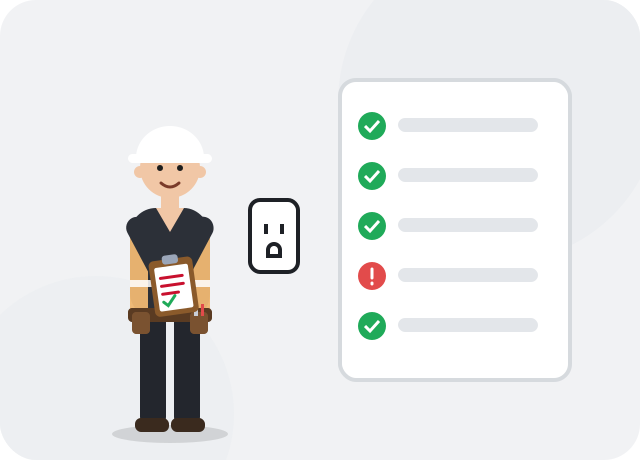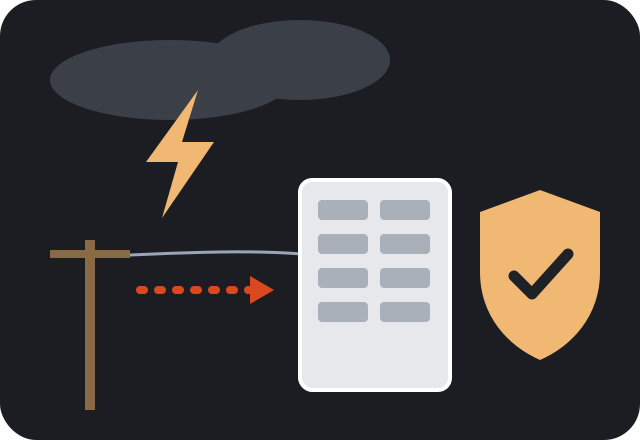
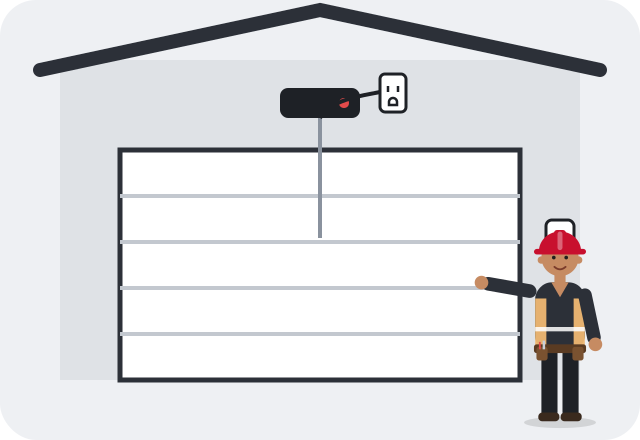
Quick answer: A GFCI (ground fault circuit interrupter) outlet is a device that monitors the current flowing out and back on a circuit and shuts off power in a fraction of a second if it detects even a small imbalance, which can mean electricity is leaking through water or a person. GFCI protection is designed to prevent serious shocks and electrocution, especially in wet or damp areas like bathrooms, kitchens, garages, laundry areas and outdoors. It can be provided by a GFCI outlet or a GFCI breaker in the panel.
Almost every home has a few of them: outlets with small test and reset buttons, usually near a sink, in the garage or on the back porch. Many people only notice them when one trips and the hair dryer stops working.
Those buttons are part of one of the most effective shock protection devices in a modern home. Knowing how a GFCI works, where it belongs and how to test it takes only a few minutes and can matter a lot.
How does a GFCI work?
In a normal circuit, current flows out on the hot wire and returns on the neutral wire in equal amounts. A GFCI watches both constantly. If a small amount of current goes missing, it assumes that current is finding another path to ground, possibly through water or a person's body.
When it detects that imbalance, the GFCI opens the circuit in a fraction of a second, fast enough to help prevent a dangerous shock. It does not wait for a large overload the way a standard breaker does. That speed and sensitivity is what makes it different.
A GFCI is not a breaker replacement. It protects people from shock. A standard breaker protects wiring from overloads and short circuits. Many homes need both, and they do different jobs.
Where should GFCI protection be installed?
Requirements have expanded over the years, and the current electrical code calls for GFCI protection in more places than it once did. Common locations include:
- Bathrooms
- Kitchen countertop outlets and outlets near sinks
- Garages and accessory buildings
- Outdoor outlets, including porches and decks
- Unfinished basements and crawl spaces
- Laundry areas
- Areas near pools, hot tubs and spas
Older homes built before these rules often have few or none. Code does not generally require you to update everything at once, but adding GFCI protection in wet areas is one of the most practical safety improvements you can make. Your local electrician can advise based on current code and your home's layout; check with your city or county for permit specifics.
GFCI outlet or GFCI breaker?
There are two common ways to provide protection, and both are valid:
GFCI outlet
Installed at the outlet itself. It can protect that outlet and, if wired to do so, other outlets downstream on the same circuit. The test and reset buttons are right where you use them.
GFCI breaker
Installed in the panel and protects the whole circuit. Handy when outlets are hard to reach or when a single circuit serves several wet locations. Resetting means a trip to the panel.
One outlet without buttons that stops working in a bathroom may actually be protected by a GFCI outlet in another bathroom or the garage. That is a common source of confusion covered in bathroom outlet not working.
How to test a GFCI outlet
Testing monthly is a common recommendation from manufacturers. It takes under a minute:
Plug in a lamp
Plug a lamp or nightlight into the outlet and turn it on.
Press Test
The lamp should go off and the reset button should pop out.
Press Reset
The lamp should come back on.
Note any failure
If the lamp stays on after Test, or the outlet will not reset, the GFCI may not be protecting you. Leave it and call an electrician.
If a GFCI trips repeatedly on its own, see the guide on why a GFCI keeps tripping. Moisture in outdoor boxes, a failing appliance and worn devices are common causes.
Never bypass a GFCI. Do not replace a tripping GFCI with a standard outlet or tape the button. The tripping is often the device doing its job.

Do GFCI outlets wear out?
Yes. GFCI devices can fail over time, and some older models could lose protection while still supplying power. Newer designs are built to indicate or refuse to reset when protection fails, but testing is still the only way to know. Heat, moisture and surges all shorten their life, which matters in a climate with humid summers and frequent storms like central Alabama's.
If yours are old, discolored or fail the test, GFCI outlet repair or replacement is a straightforward job for a licensed electrician. For adding protection where none exists, see GFCI outlet installation.
What this means in Birmingham homes
Many older houses around Birmingham and in older communities like Fairfield were built before GFCI requirements reached kitchens, garages and outdoor outlets. Porches, carports, crawl spaces and basements see plenty of humidity and rain here. If your wet-area outlets have no test buttons and no GFCI breaker in the panel, it is worth asking an electrician about adding protection.
Key takeaways
- A GFCI shuts off power in a fraction of a second when it detects current leaking to ground.
- It protects people from shock; standard breakers protect wiring.
- Bathrooms, kitchens, garages, outdoors, laundry and basements are typical GFCI locations.
- Test GFCI outlets monthly with the Test and Reset buttons.
- Never bypass a GFCI that trips; have the cause found instead.
Frequently asked questions
GFCI stands for ground fault circuit interrupter. A ground fault is when current takes an unintended path to ground, and the interrupter is the part that cuts power quickly when it detects that happening.
A GFCI outlet can be wired to protect other standard outlets downstream on the same circuit. When it trips, those outlets lose power too, even though they have no buttons. Look for a GFCI in a nearby bathroom, the garage or outside and press Reset once.
Yes. A GFCI can lose its ability to protect while still supplying power, especially older models. That is why monthly testing matters. If pressing Test does not cut power, have the device replaced by an electrician.
Current code may require GFCI protection in kitchens, garages and basements, which can include outlets used for refrigerators and freezers. If you are worried about nuisance tripping on a freezer, talk to an electrician about the requirements and options for your home.
No. A GFCI protects people from shock by detecting current leaking to ground. An AFCI protects against fires by detecting dangerous arcing in wiring. Some devices combine both, and many homes need both types in different places.
Adding GFCI protection in bathrooms, kitchens, garages, basements and outdoors is one of the most practical safety updates for older homes. A licensed electrician can add GFCI outlets or breakers and confirm the circuits are correctly wired.