Quick answer: A safe home generator setup always runs through a transfer switch or a listed interlock, so the house is disconnected from the utility before generator power reaches your circuits. Standby generators are permanently installed and start automatically; portable units need a proper inlet and must run outdoors, far from openings. Either way, plan on a load assessment, a permit in most jurisdictions, and a licensed electrician for the electrical connection.
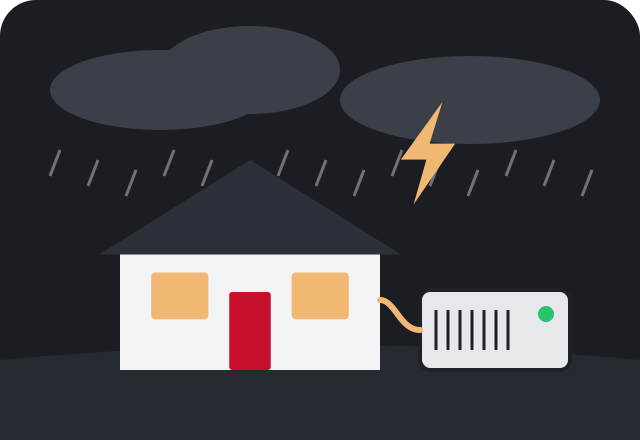
Central Alabama gets its share of spring and fall storms, tornado warnings and the occasional ice event. Add mature trees leaning over service drops on Birmingham's hills and ridges, and a multi-day outage is something a lot of households have lived through at least once.
Backup power can keep the refrigerator cold, a sump pump or well running, medical equipment powered and, with a large enough system, the heat pump going. The details of how that power gets into the house matter far more than the generator itself, so this guide focuses there.
Standby vs. portable: what's the difference?
A standby generator is installed permanently on a pad outside the home, usually fueled by natural gas or propane, and connected to an automatic transfer switch. When utility power drops, it starts on its own and takes over the circuits it was sized for.
A portable generator is rolled out when needed, fueled by gasoline or another fuel, and connected to the house through an inlet box and a manual transfer switch or panel interlock. It takes more effort in the middle of a storm but can cover the essentials.
- Standby: automatic, larger capacity options, needs a fuel line and a pad, more planning up front.
- Portable: manual setup, smaller capacity, fuel storage and refueling, flexible placement.
Long outages after big storm systems are a common reason homeowners start with a portable plan and later move to a whole-home generator.
Why a transfer switch is non-negotiable
Plugging a generator into a household outlet with a double-ended cord, often called backfeeding, is dangerous and illegal in many places. It can send power back out through the service drop, where it can be stepped up by the utility transformer and injure or kill line workers restoring power. It can also overload the cord and outlet, start a fire, and damage the generator when utility power returns.
Never backfeed. No generator should connect to home wiring except through a transfer switch or a listed interlock installed by a qualified electrician. That device makes it physically impossible for utility and generator power to meet.
Transfer equipment comes in a few forms: an automatic transfer switch for standby units, a manual transfer switch that powers selected circuits, or a panel interlock paired with a generator inlet. Which fits depends on your panel, your goals and local rules.
Sizing: what do you actually want to run?
Sizing starts with a list, not a guess. The electrician looks at what must stay on and what would be nice, then calculates the load, paying attention to motor starting demand from things like the air handler, well pump or refrigerator.
- Essentials: refrigerator, freezer, some lights, a few outlets, internet equipment.
- Comfort: heat pump or air conditioning, water heater, cooking.
- Medical and safety: powered medical devices, sump pump, well pump, security lighting.
Birmingham summers are hot and humid, and running central air is often the single biggest decision in sizing. Load management devices can help a smaller unit handle larger appliances by shedding one load while another starts.
How a standby installation usually unfolds
Site and load assessment
The electrician looks at the panel, service size, loads and where the unit and transfer switch can go.
Permits and approvals
Electrical, and often gas or fuel, permits are pulled; some neighborhoods also have placement rules. Check with your city or county.
Pad and fuel
A pad is set, and a qualified gas or propane professional handles the fuel connection.
Electrical connection
The transfer switch is installed and wired between the utility service and the panel or circuits being backed up.
Inspection and testing
The inspector signs off, and the system is tested under load, including automatic start and return to utility power.
Cost factors include generator capacity, fuel type and the distance to the fuel source, how far the unit sits from the panel, whether the panel needs updating, and permit requirements. No two homes land in the same place.
Carbon monoxide and placement
Generators produce carbon monoxide, a gas you cannot see or smell. Every year people are hurt running generators in garages, basements, carports or near open windows. A partly open garage door is not enough ventilation.
- Run portable generators outdoors only, well away from doors, windows and vents, with the exhaust pointed away from the house.
- Follow the manufacturer's clearance distances for standby units.
- Install working CO alarms on every level and near sleeping areas; see CO detector installation.
- If a CO alarm sounds or anyone feels dizzy or nauseated, get everyone outside and call 911.
Maintenance keeps it ready
A generator that sits for months can fail the day you need it. Standby units run a periodic self-test, but they still need oil changes, battery checks and inspection of the transfer equipment. Portable units need fresh fuel or stabilizer and occasional test runs. If your unit will not start or transfer properly, generator repair is the next step, well before storm season.
Key takeaways
- All generators must connect through a transfer switch or listed interlock; backfeeding endangers utility workers and your home.
- Size the system around the loads you truly need, with special attention to air conditioning and motor starting.
- Generators produce carbon monoxide; run them outdoors, far from openings, and keep CO alarms working.
- Most standby installs need electrical and fuel permits; check with your city or county.
Frequently asked questions
No. Feeding power into a dryer outlet or any receptacle is backfeeding, and it can energize the utility lines outside and injure line workers. It also bypasses the protection a transfer switch or interlock provides. A generator inlet with proper transfer equipment is the safe way to power house circuits.
A panel interlock is a mechanical plate that prevents the main breaker and the generator breaker from being on at once, so you pick circuits from the panel. A transfer switch is a separate device that switches selected circuits or the whole house between sources. Both are safe when listed and installed correctly.
Most jurisdictions require permits for the electrical connection and often for the fuel line, and requirements differ between cities and unincorporated areas. Check with your city or county building department before work begins. The electrician you hire should know how to pull the right permits.
It can if the generator is sized for it. Heat pumps and air conditioners draw a surge when the compressor starts, so the calculation has to account for that. Soft-start devices and load management can sometimes let a smaller unit handle the system.
Far enough that exhaust cannot drift into doors, windows or vents, and follow the distance listed in the generator's manual. Never run one in a garage, carport, crawl space or porch. Working CO alarms inside are an important backup.
Follow the manufacturer's maintenance schedule, which usually includes periodic oil, filter and battery checks. Having the unit and transfer switch looked at before spring storm season is a sensible habit around Birmingham.